

Once upon a time, our toasters just toasted. Our lights turned on with a switch, and our thermostats quietly did their job in the background. But now? Your appliances are starting to talk back—literally. We’ve officially entered the age of conversational AI in the home, where gadgets don’t just obey—they respond, suggest, and even make small talk. It might sound like science fiction, but it’s already happening. And it’s not just about convenience. The future of home AI is personal, predictive, and potentially a little bit weird (in the best way).
The Shift From Smart to Chatty
Smart homes aren’t new. We’ve had voice assistants like Alexa and Google Assistant for years. But until recently, most of our interactions with them were simple: “Turn on the lights,” “Play some music,” “What’s the weather?” Now, AI is evolving beyond commands into conversations. Thanks to advances in natural language processing and contextual awareness, your toaster might soon ask if you’d like your usual level of crispness or suggest a new recipe based on your pantry inventory. Appliances aren’t just obeying—they’re participating.
Personality Is the New Feature

In the future, it won’t just be what your devices do that sets them apart—it’ll be how they do it. Companies are already experimenting with personality-driven interfaces. Imagine your air purifier with a dry sense of humor, or your fridge giving pep talks when you reach for the ice cream for the third time in a row. This isn’t just a gimmick. Personality helps build trust and engagement with AI systems, making them feel more like companions than tools. It’s part of a broader shift toward emotionally intelligent tech.
Privacy vs. Personalization
Of course, the more our home devices talk to us—and listen—the more they learn. That means better recommendations, smarter automation, and a home that genuinely adapts to your needs. But it also raises big questions about privacy. When your toaster knows your schedule, your coffee maker remembers your stress levels, and your shower tracks your moods, where does all that data go? The future of home AI will depend on how well companies balance convenience with control. Trust will be just as important as innovation.
Unexpected Conversations
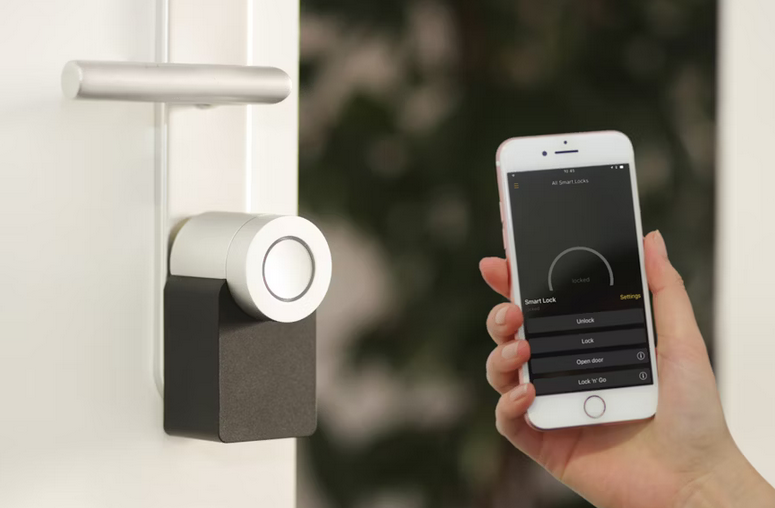
As AI gets better at understanding tone, context, and even emotion, we might find ourselves having surprising conversations with everyday objects. Maybe your oven notices you’re stressed and suggests a comforting recipe. Maybe your lights dim automatically when you’re feeling overwhelmed. We’re moving toward a world where our devices don’t just respond—they empathize. While this sounds amazing to some and creepy to others, it’s a sign that home AI is becoming more human-like, for better or worse.
From Assistants to Companions
The ultimate goal for many developers is to develop AI that feels less like a tool and more like a companion. It’s not just about functionality—it’s about presence. Home AI could evolve into a kind of digital roommate, one that knows your routines, supports your habits, and maybe even reminds you to call your mom. Whether that’s comforting or a bit too close for comfort depends on the user. But one thing’s for sure: the line between “smart appliance” and “digital companion” is quickly blurring.
We used to talk about the “smart home” as a futuristic dream. Now, it’s a talking, thinking, sometimes-joking reality. As conversational AI becomes part of our kitchens, living rooms, and bedrooms, we’ll need to navigate a new kind of relationship with our machines—one built on interaction, personality, and a surprising amount of emotional nuance. So don’t be shocked if your toaster someday says, “Rough morning? Want your usual?” The future is not just smart—it’s chatty. And it’s already knocking on your (voice-activated) front door.…


 Creating a comfortable outdoor oasis starts with selecting the right furniture. Prioritize pieces that invite relaxation, like plush lounge chairs or cozy hammocks. Pick materials that withstand the elements while feeling inviting to sit on. Decor plays a crucial role too. Soft cushions in vibrant colors can breathe life into your space. Look for weather-resistant fabrics that keep their charm throughout the seasons. Moreover, an elegant umbrella or stylish pergola can create refuge from harsh sun rays, making your space usable all day long. Adding small touches such as side tables for snacks and drinks enhances comfort further.